
In the heart of North Louisiana, the town of Ruston is known for its charming blend of southern hospitality, thriving arts community, and its passionate support for preserving history and culture. Among the talented individuals who call Ruston home is a group of unique artisans—fine art reproduction artists. Today, we are excited to share an exclusive interview with one of Ruston’s own, whose craft not only celebrates legendary masterpieces but also reimagines their role in contemporary life.
What Does a Fine Art Reproduction Artist Do?
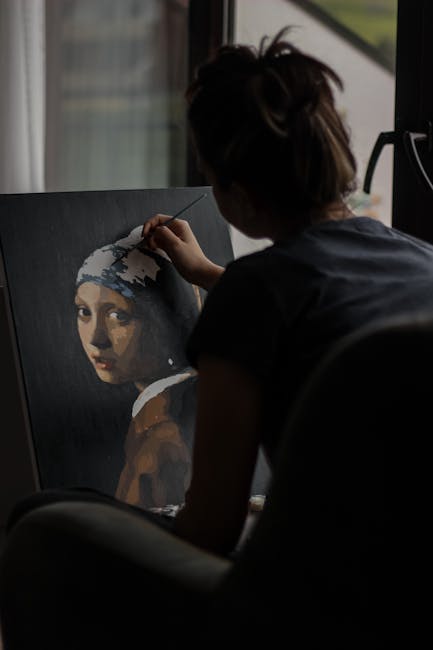
Before we dive into our interview, it's helpful to clarify what fine art reproduction means. These artists skillfully recreate celebrated works of art, using the techniques and materials faithful to the original creators. Reproduction differs from forgery—a reproduction is never passed off as an original but rather as a loving tribute or an educational tool. Whether it’s a classic Van Gogh or a local impressionist’s landscape, these artisans allow more people to enjoy art that might otherwise be out of reach.
Meet the Artist: A Ruston Native Committed to Artistic Legacy
We sat down with Amanda LeBlanc, a Ruston-based fine art reproduction artist who’s dedicated over a decade to mastering her craft. Amanda’s studio, tucked into a historic home near downtown, is both a workspace and a sanctuary for art lovers across Louisiana.
Q: What inspired you to specialize in fine art reproduction?
“Growing up in Ruston, I was surrounded by creativity, from the murals in Railroad Park to the galleries displaying local history. But I noticed that many people only saw famous works in books or online. I wanted to bridge that gap—bring masterpieces into homes, classrooms, and local businesses in a tangible way. Reproduction lets me combine my love for painting with a deep respect for art history.”
Q: How do you begin a reproduction project?
Amanda explains the process starts with exhaustive research. She studies the artist’s original intent, brushwork, palette, and historical context:
“Every piece is different. For example, if I’m reproducing an oil painting originally displayed in 18th-century Paris, I try to use similar pigments and canvas treatments. I’ll even hunt through Ruston’s antique shops or order specialty supplies from Europe if it means honoring the original.”
Q: What challenges do you face as a reproduction artist?
“Accuracy is everything. You’re balancing art with science. Even subtle shifts in color or texture can change the emotional impact. Lighting in my studio is key—I often compare my work under both natural Ruston light and gallery lamps to make sure the tones translate correctly.”
Amanda also notes the wide variety of source material quality. Sometimes she’s given high-resolution images; other times, blurry old photographs or faded prints require educated guesswork based on experience.
Q: How does life in Ruston, LA influence your work?
Amanda lights up at this question:
“Ruston’s slower pace, natural beauty, and strong community spirit give me the time and mental space to focus deeply on each piece. Many of my clients are local—either Louisiana Tech University staff looking for educational pieces, or homeowners wanting to honor their heritage. Small-town connections often mean I’m working from family heirlooms or regional favorites, rather than just global classics.”
She also credits the local art scene—artists’ guilds, outdoor fairs, and the Dixie Center for the Arts—for sparking collaborations and keeping inspiration fresh.
Q: What’s your favorite piece you’ve ever reproduced?
“That’s a tough one! But last year, I was commissioned to reproduce a Depression-era mural that once hung in a Ruston post office. The original was lost decades ago, but a local historian provided black-and-white photos and written descriptions. Because it was such an important piece of Ruston’s identity, I poured my heart into that project. Seeing townspeople recognize details from old stories—like a vintage storefront or familiar face—reminded me why this work matters.”
Why Do People Commission Fine Art Reproductions?
Ruston residents—and art lovers everywhere—choose fine art reproductions for several reasons:
- To preserve family and regional history
- For educational purposes in schools, libraries, or museums
- As affordable access to iconic works of art
- To honor local artists whose originals are fragile or lost
- For interior design, blending historical aesthetics with personal taste
The personalized service local artists provide ensures that every reproduction holds meaning beyond its decorative appeal.
What Makes Ruston a Unique Hub for Fine Art Reproduction?
Ruston’s unique location at the crossroads of southern tradition and contemporary innovation makes it a natural fit for fine art reproduction. With easy access to state cultural institutions and a bustling university environment, artists here thrive on both stable support and new ideas. The community’s appreciation for handmade goods means artists are often commissioned for meaningful, personal projects—whether it’s restoring a historic portrait or recreating a landscape painting that’s part of a family’s heritage.
Tips for Finding the Right Fine Art Reproduction Artist
If you’re looking to commission a piece in Ruston or anywhere else, keep these suggestions in mind:
- Ask about the artist’s training and experience with various genres
- Review a portfolio of previous work
- Discuss the methods and materials to ensure historical accuracy
- Communicate clearly about the intended display environment (lighting, size, etc.)
- Look for someone who’s passionate not just about painting, but about storytelling and cultural preservation
Final Thoughts: Fine Art Reproduction Connects Past and Present
Our conversation with Amanda highlights how fine art reproduction isn’t just about copying old paintings—it's about making art accessible, preserving local history, and nurturing a sense of community pride. Here in Ruston, artists like Amanda LeBlanc quietly ensure that even as the town grows and changes, its visual legacy stays alive on fresh canvas.
If you’re ever wandering the tree-lined streets of Ruston and spot a familiar masterpiece hanging in an unexpected place, it might just be the work of a local reproduction artist, bridging generations one brushstroke at a time.