
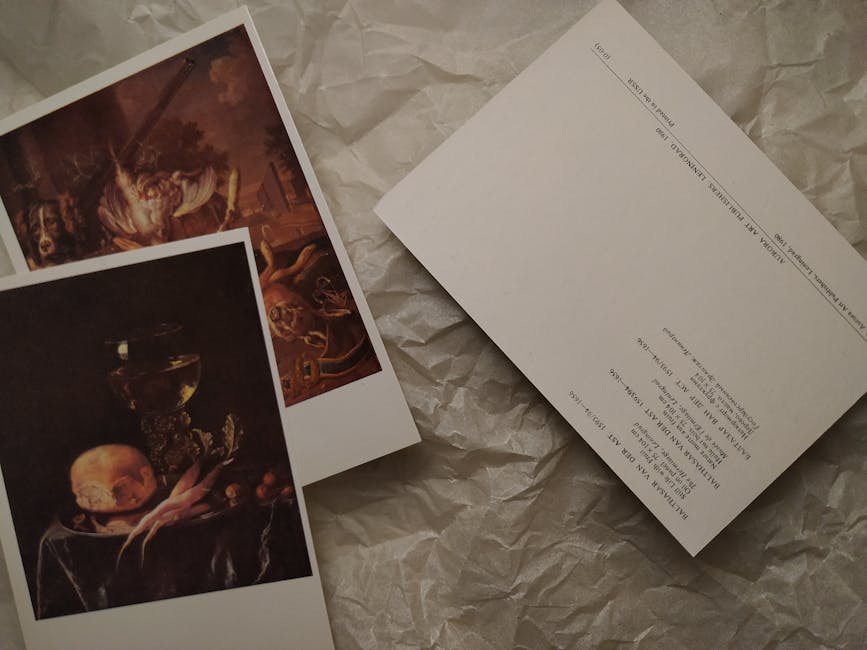
When cherished reproduction art pieces age, fade, or suffer accidental damage, it can feel like a part of your home’s story has been lost. In Ruston, Louisiana—a community that values both heritage and the beauty of well-curated living spaces—restoring damaged art reproductions isn’t just about aesthetics. It’s about preserving family memories, regional culture, and the uniquely Southern sense of warmth and welcome.
Why Restore Old or Damaged Art Reproductions?
Art reproductions are not just decorative items but often hold emotional value, commemorating local landmarks, family milestones, or trips to Ruston’s annual Peach Festival. Over time, exposure to the humidity of North Louisiana, mishandling, or simple aging can leave marks—literally—on these beloved pieces. Restoration helps:
- Maintain the artwork’s visual appeal and integrity
- Extend the lifespan of both prints and their frames
- Retain or increase sentimental and sometimes market value
Common Issues with Reproduction Artwork
Restoring reproduction art often means addressing:
- Fading and Discoloration: Ruston’s bright, sunny climate can be tough on pigments, causing prints to lose vibrancy.
- Water Damage: Summer storms and the region’s humidity sometimes result in water stains or warping.
- Tears, Creases, and Punctures: Accidental handling, especially in busy households or university apartments, can leave physical scars.
- Frame and Glass Issues: Frames can warp, and glass can fog or break, especially with older wood and non-UV glass.
- Mold and Mildew: Louisiana’s lushness isn’t always kind to paper and canvas.
Steps in Restoring a Damaged Art Reproduction
Whether the artwork adorns your downtown Ruston office, hangs proudly in a family home near Louisiana Tech, or adds flair to a student apartment on West Alabama Ave., the basic restoration process is similar:
1. Assessment
First, evaluate the extent of the damage. For local residents, this might mean taking inventory after the humid summer or noting if a piece sustained damage during a move. Professional conservators—or a knowledgeable fine art reproduction specialist—can help identify underlying issues that aren’t immediately visible.
2. Cleaning
Dust, debris, and surface grime are common. It’s essential to use soft brushes and gentle cloths. For prints encased in glass, always clean the outside of the glass, not the print itself, unless the artwork is professionally removed from its frame.
3. Repairing Tears or Creases
Small tears can sometimes be repaired with archival-quality tapes and adhesives designed for artwork. Creases in prints may be minimized using carefully controlled humidity and weight, but improper technique can make things worse, especially in Ruston’s variable temperatures. For serious damage, local experts may be found through recommendations at places like the Ruston Artisans gallery.
4. Addressing Water and Mold Damage
If you detect water damage or musty smells, immediate action is key. Move the artwork to a dry area, and never attempt to clean mold yourself unless you’re trained to do so. In Ruston’s climate, mold can return quickly if not treated fully. Art restoration specialists have the appropriate tools and expertise to restore the image safely.
5. Restoring Color and Contrast
For reproductions that have faded, digital restoration may be possible. Specialists can scan the image, digitally repair color loss, and reprint the artwork using archival inks and papers. This method is popular in Ruston for restoring images of historic sites, local artwork, or family portraits, especially when displaying them in places like the Historic Fire Station or the Dixie Center for the Arts.
6. Reframing
Sometimes the best way to refresh a piece is to give it a new frame or matting. Choose UV-protective glass to help prevent future fading, an especially wise investment in sunny North Louisiana. Local frame shops can offer guidance based on the style of your home or business, keeping with Ruston’s blend of old Southern charm and modern flair.
DIY vs. Professional Restoration in Ruston
While small surface-level cleaning and minor repairs can sometimes be performed at home, significant restoration work is best left to professionals. Local artists, frame shops, or restoration experts in Ruston have both the knowledge and materials to restore without further damaging your artwork.
Choosing a professional ensures:
- Use of archival materials
- Correct assessment of damage
- Proper climate-controlled techniques
Plus, it supports the local art economy—a value close to the heart of Ruston residents who celebrate creativity with events like the Ruston Makers Fair.
Preventing Future Damage
After restoration, prevention is key. Here’s how Ruston residents can protect their art:
- Display Away from Direct Sunlight: Hanging prints in shaded rooms or using specialized glass protects against sun damage.
- Regulate Indoor Humidity: Dehumidifiers help in preventing mold and warping, especially during sticky Louisiana summers.
- Regular Cleaning: Light dusting prevents buildup. Always check for signs of early damage.
- Annual Checkups: If you have valuable or important pieces, consider a yearly review with a restoration expert—especially before hurricane season.
Restoring for Generations
Restoring reproduction artwork allows Ruston’s families, businesses, and institutions to bridge the past and present. Whether it’s a cherished print of Ruston’s vibrant Main Street, a classic reproduction from a local artist, or a meaningful family portrait, proper restoration is an investment in both beauty and legacy.
In North Louisiana, where history and home go hand-in-hand, taking the time to mend and preserve reproduction art is a fitting celebration of the region’s inheritance—ensuring art remains a living, lasting part of Ruston’s story.