

 See My Latest Article on HelloNation
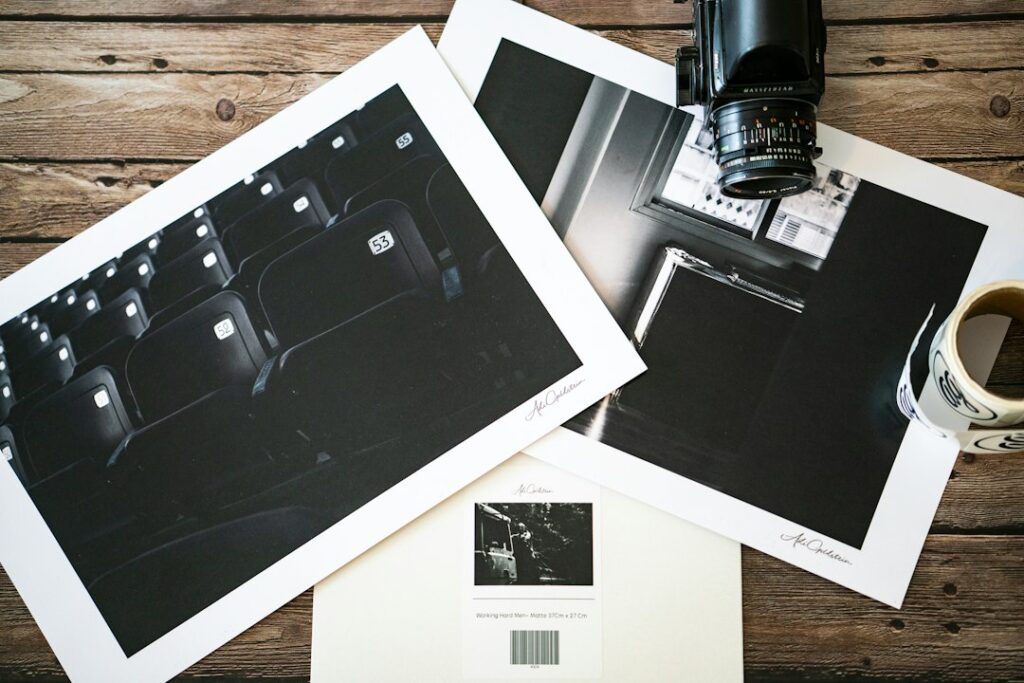
Fine art prints are more than images placed on paper. Their long-term appearance depends on the interaction between the paper or fabric, the inks, the mounting materials, the display environment, and the way each item is handled. For residents of Ruston, LA, understanding these materials can make it easier to choose prints that remain attractive in homes, studios, classrooms, galleries, and offices.
What does “archival” mean in art printing?
“Archival” generally describes materials and processes selected for long-term stability. In art printing, that usually means the paper, ink, coatings, adhesives, and protective materials are less likely to yellow, fade, become brittle, or react with one another over time.
The word is useful, but it is not always a strict guarantee. A print may use archival paper and pigment ink yet still deteriorate quickly if it is displayed in direct sunlight, exposed to high humidity, or attached with acidic materials.
A more complete archival approach considers:
- The stability of the paper or substrate
- The type of ink or colorant
- The presence of optical brighteners
- The quality of mats, mounts, sleeves, and backing boards
- Exposure to light, heat, moisture, dust, and pollutants
- Storage and handling practices
Archival quality is therefore best understood as a system rather than a single product label.
Which papers are suitable for archival fine art prints?
Cotton rag and other high-quality fiber papers are common choices for archival printing because they are typically acid-free and made without wood-based materials that can yellow as they age. They often have a soft, natural surface that works well for photographs, drawings, paintings, and digitally created artwork.
Several paper surfaces are available:
- Matte paper: Reduces reflections and gives images a soft, traditional appearance.
- Smooth rag paper: Shows fine detail clearly and is useful for line work, photography, and illustrations.
- Textured paper: Adds visible tooth and surface character, which can complement painterly or expressive artwork.
- Gloss or luster paper: Produces stronger contrast and saturation but may show reflections or fingerprints.
Acid-free does not mean indestructible. Paper can still be damaged by moisture, ultraviolet light, careless handling, or poor framing. The word “rag” also does not automatically describe every part of a paper’s construction, so specifications should be reviewed when long-term preservation matters.
Are pigment inks better than dye-based inks?
Pigment inks are generally preferred for fine art printing when long display life is a priority. They use very small particles that sit on or within the paper surface, while dye-based inks use colorants dissolved in liquid.
Pigment inks tend to offer stronger resistance to fading, especially when paired with a suitable archival paper and displayed behind protective glazing. Dye-based inks can produce bright, smooth color, but their resistance to light and environmental exposure varies considerably.
The result depends on more than the ink category. Important factors include:
- Paper type and surface coating
- Amount of light exposure
- Humidity and temperature
- Whether the print is framed or stored
- The density of dark and saturated colors
- Whether the artwork is handled frequently
A pigment print can still fade under intense sunlight. Archival materials improve durability; they do not eliminate the effects of time and exposure.
What does acid-free paper actually protect against?
Acid-free paper is made or treated so that it does not contain harmful acidic compounds at levels likely to accelerate deterioration. Acid can cause paper to yellow, weaken, become brittle, or stain nearby materials.
This matters because a print can be damaged by contact with non-archival components. Examples include:
- Acidic cardboard backing
- Ordinary pressure-sensitive tape
- Newspaper or unbuffered paper
- Low-quality mats
- Wood products that release reactive compounds
- Rubber bands and unstable plastic sleeves
For framed work, an archival mat and backing board help separate the artwork from the frame and glazing. For storage, an acid-free folder or archival box is generally safer than an ordinary cardboard container.
The pH of a material is only one consideration. Long-term stability, chemical composition, buffering, and the way materials touch one another also affect preservation.
Do optical brighteners affect the life of a print?
Optical brightening agents, sometimes called fluorescent brighteners, make paper appear whiter by reacting with ultraviolet light. They can give a print a crisp, bright appearance, but they may change or weaken over time.
Some fine art papers are made without optical brighteners to support more predictable aging. Others use them to create a brighter white point and stronger visual contrast. Neither choice is automatically wrong; the appropriate option depends on the artwork, intended appearance, and display conditions.
For a historical, collectible, or exhibition print, many artists prefer a paper with stable, natural whiteness. For a contemporary image where brilliant whites and saturated color are central, a brightened paper may be considered. The key is to understand that the paper’s white point can influence both color accuracy and long-term appearance.
How does the Ruston climate affect archival prints?
Ruston has warm, humid periods and seasonal changes that can affect paper-based artwork. Moisture is especially relevant because paper absorbs and releases water from the surrounding air. Repeated expansion and contraction can contribute to waviness, cockling, sticking, mold growth, or stress on framed materials.
Practical precautions include:

- Keep prints away from bathrooms, kitchens, laundry areas, and poorly ventilated storage spaces.
- Avoid placing framed artwork against damp exterior walls.
- Allow artwork to adjust gradually when moved between very different environments.
- Store prints flat in a clean, dry location when possible.
- Avoid attics, garages, sheds, and vehicles where heat and humidity can become extreme.
- Leave enough space around framed work for air circulation.
Air-conditioning can help moderate indoor conditions, but rapid changes may still affect paper. A stable environment is generally safer than a location that repeatedly swings from damp to dry or cool to hot.
Does framing make a print archival?
Archival framing can significantly improve protection, but framing alone does not transform an unstable print into a permanent one. A well-designed frame limits contact with dust, handling, light, and airborne pollutants.
Useful components may include:
- Acid-free mat board
- Stable backing board
- Spacers that keep the print from touching the glazing
- Ultraviolet-filtering glazing
- Reversible attachment methods
- A frame that does not press directly against the artwork
Glass and acrylic can both be appropriate. Acrylic is lighter and less likely to shatter, while glass may resist scratching more effectively. Ultraviolet-filtering glazing reduces some damaging radiation, but it does not block all visible light or prevent fading caused by prolonged brightness.
Artwork should also be kept away from direct sun, bright windows, heat-producing fixtures, and areas where condensation may occur.
How should archival prints be handled and stored?
Clean, dry hands are usually sufficient for casual handling, but cotton or nitrile gloves may be useful for delicate surfaces or repeated handling. The important rule is to avoid touching the printed area, especially on matte or textured papers.
For storage:
- Use acid-free folders, interleaving sheets, or archival boxes.
- Keep prints flat unless the paper or artwork requires another method.
- Do not stack heavy objects on top of prints.
- Separate prints with similar surfaces to prevent sticking or abrasion.
- Label storage containers with pencil or stable, non-damaging labels.
- Keep artwork away from food, smoke, chemicals, and damp materials.
Plastic sleeves require special care. Some flexible plastics release chemicals as they age or trap moisture against the print. Stable archival polyester, polypropylene, or polyethylene may be suitable, while unidentified plastic should be treated cautiously.
What is the most sensible choice for a first archival print?
For a beginner, a practical combination is a stable fine art paper, pigment-based ink, acid-free presentation materials, and controlled indoor display away from direct sunlight. This provides a sound foundation without requiring specialized conservation equipment.
The artwork’s purpose should guide the decision. A personal print for short-term display may not need the same materials as a family portrait, original artwork, limited edition, or piece intended for long-term storage. Understanding the environment is just as important as choosing the paper.
A print’s longevity comes from many small decisions: stable materials, careful handling, suitable framing, moderate indoor conditions, and protection from strong light. Together, these choices help preserve both the appearance of the image and the physical character of the artwork.