

 See My Latest Article on HelloNation
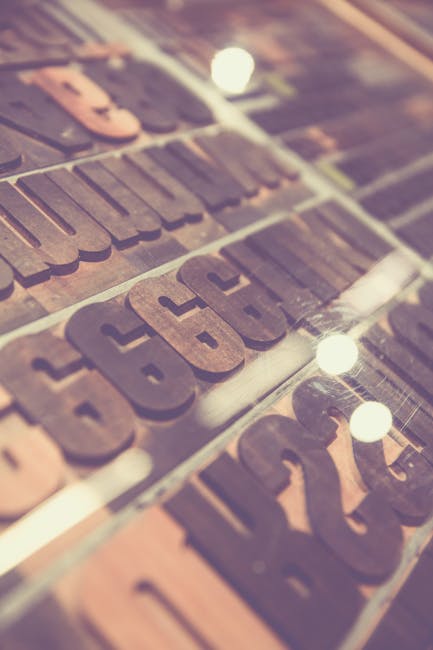
Fine art printing holds a rich tapestry of history that has woven its way through centuries, influencing not only artists but entire cultures and local communities—even here in Ruston, LA, where creativity remains a vital part of daily living. Whether you’re an artist, collector, or simply curious, understanding the evolution of fine art printing techniques gives you a unique lens through which to appreciate both the art and the vibrant lifestyle this small Louisiana city nurtures.
The Origins: Woodblock Printing
Long before digital technology reached Ruston’s studios or student apartments near Louisiana Tech, the earliest form of fine art printing began with woodblock prints. Originating in China during the 7th century and spreading to Europe by the 14th century, artisans meticulously carved images into wood, inked the blocks, and pressed them onto paper or fabric. This method brought art to the masses, allowing images and ideas to travel far beyond their points of origin—a concept that resonates with the collaborative spirit Ruston’s art walks inspire today.
The Rise of Intaglio: Engraving and Etching
As the demand for more detailed prints grew, artists across Europe perfected intaglio techniques, notably engraving and etching. By incising lines into metal plates, filling them with ink, and then pressing paper onto the plate, artists like Rembrandt achieved astonishing detail and tonal depth. You can see echoes of their meticulous craftsmanship in the precision and detail local Ruston artists bring to their own printmaking workshops. Printmaking classes at local art centers often highlight these traditional methods, connecting the past with present-day creativity.
Lithography and the Spirit of Experimentation
The 18th century brought about lithography, a process that relies on the natural repulsion of oil and water. Artists could now draw directly onto stone, allowing for a more spontaneous and painterly approach to fine art printing. Lithography encouraged experimentation and accessibility, attributes still alive in Ruston, where the local art scene encourages students and established artists alike to explore new mediums without boundaries.
- Lithography enabled mass production without sacrificing artistic quality.
- Artists could create more expressive and detailed works.
- The process inspired community engagement—something still prevalent in Ruston’s bustling arts festivals.
Silkscreen: Bridging Commercial and Fine Art
Silkscreen, or serigraphy, originated in China over a thousand years ago but gained notable momentum in the 20th century. While it started as a commercial printing method, artists like Andy Warhol elevated it to new heights, creating iconic images in multiple vibrant iterations. In Ruston, silkscreen remains a beloved technique in local workshops and university art programs, particularly for producing bold posters and limited-edition prints that become treasured mementos of community events.
The Advent of Photographic and Digital Printing
By the mid-19th century, the invention of photography and subsequent advances in digital imaging profoundly changed the world of fine art printing. Photogravure merged photography with intaglio, while today’s digital fine art printing—commonly known as giclée—uses computer technology and archival inks to achieve unparalleled color accuracy and longevity.
- Digital printing brings museum-quality reproductions to artists and collectors.
- Technology allows for custom prints on demand, enabling Ruston’s local artists to sell their artwork digitally while supporting the city’s thriving maker community.
Fine Art Printing in Ruston, LA: Embracing History and Innovation
Ruston’s local lifestyle is intrinsically tied to the arts, with galleries, co-ops, and art fairs forming the backbone of community connection. The legacy of fine art printing techniques can be seen in:
- University courses that teach time-honored and contemporary methods.
- Downtown exhibitions that showcase prints alongside paintings and sculpture.
- Community printmaking events where locals—young and old—try their hand at screen printing or letterpress.
Ruston's appreciation of both tradition and innovation reflects the journey of fine art printing itself. Locals embrace the tactile quality of letterpress invites for weddings, or the community buzz around limited-edition digital prints at the Ruston Peach Festival. Every print tells a story, not just of the artist, but of a town that values craftsmanship, creativity, and connection.
Why Fine Art Printing Endures
Throughout history, fine art printing has adapted to new technologies without losing its core appeal: the ability to make art more accessible while maintaining artistic excellence. Here’s why it continues to capture the imagination in Ruston and beyond:
- Accessibility: Prints make owning and sharing art possible for more people.
- Community: Printmaking fosters cooperation, as artists often share tools, spaces, and knowledge—a dynamic that is alive and well in Ruston’s creative circles.
- Education: The process encourages learning, patience, and appreciation for artistic detail.
Preserving Tradition in a Digital Age
While digital printing offers incredible convenience and possibilities, Ruston’s artists and educators are keen to preserve traditional techniques. Many local studios offer classes in linocut, screen printing, and etching, ensuring that the roots of fine art printing stay alive even as new branches emerge. For Ruston families, these traditions go beyond the art; they represent gatherings, stories shared at workshops, and the pride of seeing a child’s first print hanging at a neighborhood café.
Conclusion
From ancient woodblocks to the instant gratification of digital giclée, the history of fine art printing is a testament to human ingenuity and the desire to share beauty. In Ruston, LA, this tradition weaves through the daily lives of artists, students, and locals, connecting the past and future one print at a time. Whether you’re just starting your art journey or adding to your collection, remember that every print not only carries the mark of its creator but also the legacy of centuries-old techniques—adapted, cherished, and celebrated right here in our community.