

 See My Latest Article on HelloNation
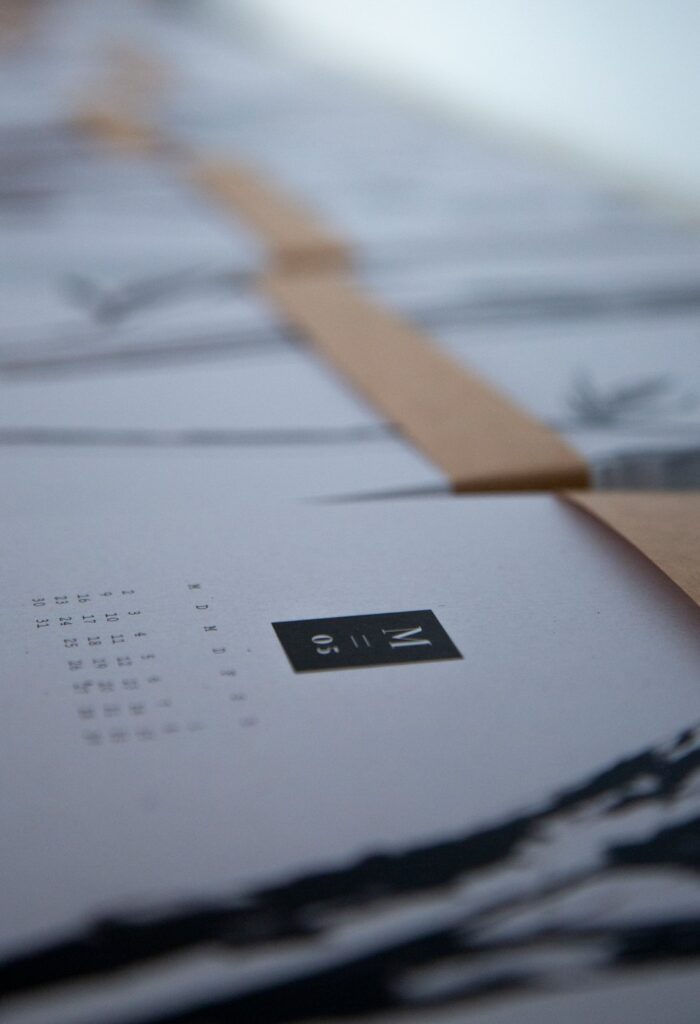
What Sets Giclée Prints Apart from Standard Prints?
Giclée prints and standard prints are both methods used to reproduce artwork, but they differ significantly in technology, quality, and intended use. Understanding these differences helps local residents make informed decisions, especially when displaying or gifting art in their homes.
Giclée printing is a specialized digital process that uses high-end inkjet printers with archival-quality inks and papers. Standard prints, often produced with traditional offset presses or standard inkjets, generally prioritize speed and cost-efficiency over museum-grade longevity.
How Is Giclée Printing Done?
Giclée printing starts with a high-resolution digital scan of the original artwork. The print is then produced on fine art paper or canvas using pigment-based inks, and the printer delivers millions of precise droplets per second. This method produces images with exceptional detail, depth, and color accuracy.
In contrast, standard prints might use dye-based inks or lower-resolution images, and typical paper choices are less durable or less textured. The difference is most noticeable when comparing side-by-side prints of the same artwork.
When Should Someone Choose Giclée vs. Standard Prints?
Area households wanting gallery-level art reproductions, heirloom gifts, or superior color fidelity should consider giclée prints. These are ideal for:
- Personal collections where color richness and longevity matter
- Artwork intended to be showcased for years without fading
- Decorative pieces meant to withstand humidity and temperature variation, which matter in local homes, especially during humid Gulf Coast summers
Standard prints are suitable for:
- Posters and décor where cost and quantity are bigger priorities than perfect reproduction
- Temporary displays such as seasonal decorations or classroom projects
- Quick reproductions for large events and gatherings
Are Giclée Prints Always Higher Quality?
Giclée prints are not just about the printing device; they require accurate digital files, quality paper, and archival inks. If any of these components are compromised, the results can fall short of expectations. For example, a giclée printed from a low-resolution photograph will not improve the original image sharpness.
Standard prints may not match the vibrancy or durability of giclée, but for some artwork styles (like minimal graphics or bold posters), they can deliver perfectly satisfactory results at a lower cost. Residents should consider where the artwork will be displayed and how long it should last.
What Factors Affect Print Longevity and Appearance in Local Homes?
Humidity, sunlight, and air quality can all influence how long a print remains vibrant in Ruston homes. Giclée prints, using pigment-based inks and archival papers, resist fading and discoloration far better than most standard prints. This makes them well-suited for rooms with lots of natural light or changing temperature conditions.
Tips for maintaining print quality include:

- Framing prints behind UV-protective glass
- Avoiding placement in direct sunlight, especially during the long summer months
- Using acid-free mats and backing materials for long-term displays
Can You Tell the Difference Just by Looking?
The differences between giclée and standard prints are most visible in color saturation, smooth gradients, and fine detail. Giclée prints often reveal subtle brushstrokes and texture nuances that mimic the look of an original painting or drawing.
However, from a distance or for less detailed images, the differences may not be obvious. Residents seeking authenticity in their home galleries, or those gifting commemorative art to family, often appreciate the giclée advantage once they examine prints up close.
Are There Common Misconceptions About Art Prints?
Some local residents may assume that “giclée” simply means a digital print, but not all digital prints meet giclée standards. The term refers to a very specific process using museum-quality materials. Another misconception is that standard prints are always low quality; while they don’t offer the same longevity, standard prints serve a useful role for events, educational displays, and décor with a limited display window.
Do These Choices Affect Framing or Display Options?
Giclée prints are more compatible with archival framing methods, which preserve artwork for decades. Standard prints, when used for temporary or informal displays, may not require special handling.
For those hanging prints in kitchens, bathrooms, or spaces prone to moisture, pigment-based giclée reproductions are less likely to show deterioration over time. Protecting prints with appropriate frames and display methods adds an extra layer of durability, regardless of print type.
Final Thoughts on Choosing the Right Print for Your Needs
Whether selecting a reproduction for a home, school, or community space, understanding these differences helps ensure art stays beautiful and meaningful longer. The choice should reflect both your priorities—longevity, budget, and aesthetic preferences—and the realities of living in a climate where art may face heat, humidity, and strong sunlight.