

 See My Latest Article on HelloNation
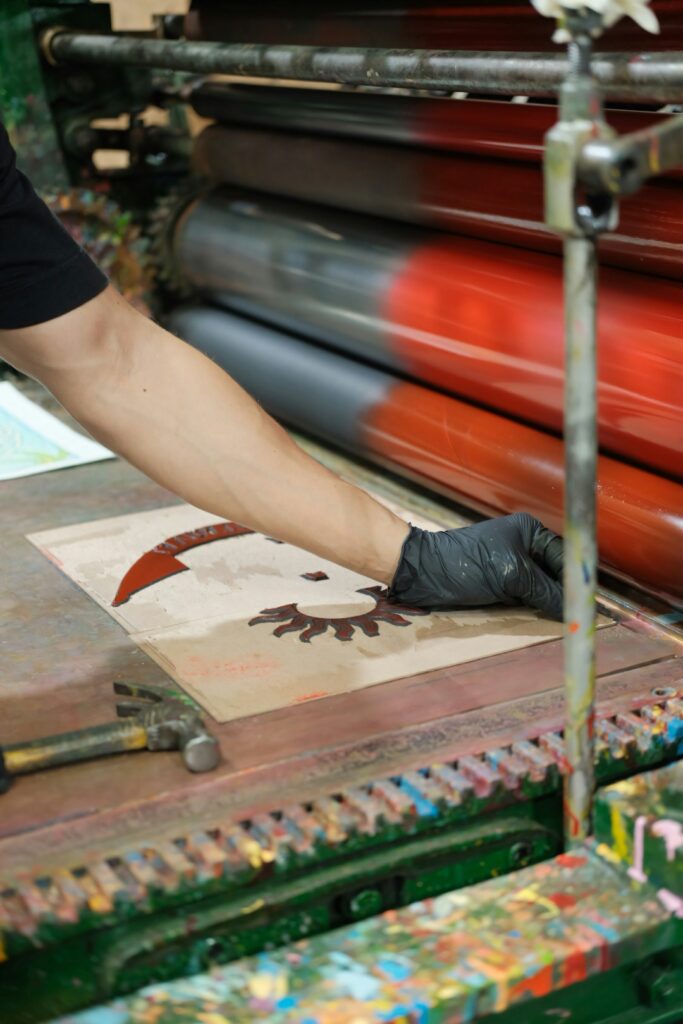
Fine art printing uses paper, inks, coatings, packaging, electricity, and transportation. Its environmental impact depends less on a single print and more on the complete process: how materials are made, how much is wasted, how long the artwork is kept, and whether it is reprinted unnecessarily.
For residents of Ruston, LA, practical decisions such as choosing durable paper, ordering carefully, reducing packaging, and disposing of materials responsibly can make fine art printing more resource-efficient without compromising image quality.
What creates the environmental impact of a fine art print?
The largest impacts usually come from material production, energy use, waste, and transportation. A print may appear simple, but several resources are involved before it reaches a wall or portfolio.
Common inputs include:
- Paper or other print substrate
- Pigment or dye-based inks
- Water and energy used during manufacturing
- Protective coatings, mats, backing boards, or frames
- Packaging materials
- Electricity used by printers, computers, lighting, and climate control
- Transportation from material suppliers to the printer and then to the final destination
The environmental effect is also influenced by print size. A large gallery print uses more substrate, ink, protective material, and packaging than a small portfolio image. However, a carefully made large print that remains displayed for decades may have a lower annual impact than a series of inexpensive prints that are repeatedly replaced.
Are fine art papers environmentally friendly?
No paper is impact-free, but some papers are produced with more responsible practices than others. Environmental considerations include the source of the fiber, the energy used at the mill, water management, chemical processing, and whether the finished paper can be recycled.
Paper made with recycled content can reduce demand for new fiber, although recycled papers may not always provide the surface texture, brightness, weight, or archival performance required for a particular artwork. Cotton-based papers are another common option in fine art printing. They can provide excellent longevity and a soft surface, but their environmental profile still depends on how the fiber is processed and manufactured.
Useful questions to ask about paper include:
- Is the fiber source documented?
- Does the manufacturer provide environmental or sustainability information?
- Is the paper acid-free and suitable for long-term display?
- Does the paper contain plastic coatings or laminated layers?
- Can the paper be recycled after removal from its mat, backing, or frame?
A paper’s durability matters environmentally. A print that remains stable for many years is less likely to require replacement, which can offset some of the resources used to produce a heavier archival sheet.
What is the environmental difference between pigment and dye inks?
Pigment and dye inks differ in how color is carried onto the paper. Pigment inks use solid color particles, while dye inks use colorants dissolved in a liquid.
Pigment inks are often selected for fine art work because many formulations provide strong light stability and long display life. Dye inks may produce vibrant colors and can be suitable for certain applications, but their resistance to light and humidity varies by formulation and paper.
The environmental question is not simply whether one ink type is universally “green.” A more useful comparison considers:
- How long the print is expected to remain stable
- Whether the inks are water-based or contain additional solvents
- How cartridges or ink containers are handled after use
- Whether the print requires protective sprays, laminates, or frequent replacement
- How much ink is wasted during cleaning cycles and test prints
A long-lasting print can reduce replacement waste. At the same time, print quality and permanence should be matched to the artwork’s purpose. A temporary exhibition label does not need the same material specifications as a family photograph intended for decades of display.
Does fine art printing use a lot of electricity?
Printing equipment uses electricity during operation, but energy use also comes from preparation and maintenance. Computers, monitors, proofing equipment, climate control, lighting, and repeated nozzle-cleaning cycles can all contribute.
Waste is often a larger concern than the energy used for one successful print. A poorly calibrated workflow may produce several rejected sheets before the final version is accepted. Careful file preparation, soft proofing, paper profiling, and measured test strips can reduce unnecessary prints.
For area households and small studios, practical steps include:
- Confirming image dimensions and resolution before printing
- Checking borders, cropping, and color conversion on screen
- Using a small proof when a full-size test is unnecessary
- Saving reliable print settings for frequently used papers
- Avoiding repeated cleaning cycles unless they are needed
- Turning off equipment when it will not be used for extended periods
Electricity sources also vary by region and over time, so broad claims about the carbon footprint of one print should be treated cautiously. The most dependable reduction is usually preventing failed prints and unnecessary reprints.
How does Ruston’s climate affect printed artwork?
Ruston has a warm, humid climate for much of the year, with seasonal heat, moisture, and occasional severe weather. Those conditions matter more for the life of a finished print than for the brief act of printing it.
Humidity can cause paper to expand, contract, curl, or develop waviness. Moisture can also affect mats, adhesives, wooden frames, and backing materials. Direct sunlight and heat may accelerate fading, even when the inks and paper are designed for long-term display.
To extend the useful life of artwork:
- Keep prints away from direct sunlight whenever possible.
- Avoid placing framed work against damp exterior walls.
- Use stable indoor areas rather than garages, porches, or unconditioned storage spaces.
- Allow paper to acclimate before printing if it has been stored in a substantially different environment.
- Use archival mats and backing materials when long-term preservation matters.
- Protect unframed prints in clean, dry, acid-free storage.

Longer service life reduces environmental impact because the artwork does not need to be replaced as often.
Is digital artwork more environmentally friendly than printed artwork?
Digital artwork avoids paper and physical packaging, but it still depends on electricity, electronic devices, data storage, and screen manufacturing. A digital file stored across multiple devices or cloud systems has an environmental footprint, even though it is not visible.
Printed artwork can be more resource-intensive at the beginning, yet a physical print may remain accessible without electricity and can be displayed for many years. Neither format is automatically more sustainable in every situation.
The intended use is the best guide. Digital delivery may be appropriate for short-lived sharing, while a carefully produced print may be more suitable for a permanent gift, exhibition, or family record. Keeping unnecessary duplicate files, proofs, and physical versions can create waste in either format.
What should be done with unwanted prints and supplies?
Disposal depends on the materials. Plain, uncoated paper may be accepted in household recycling, but photographs, heavily coated papers, laminated prints, foam board, adhesive-backed materials, and mixed-media pieces may not be accepted by local programs.
Before recycling, separate the print from:
- Plastic sleeves
- Metal fasteners
- Foam board
- Non-paper backing
- Laminates or adhesive layers
- Frames and glazing
Ink cartridges and electronic equipment should not be placed casually in household trash if a designated collection option is available. Local disposal rules can change, so Ruston residents should check current municipal or regional guidance before placing unusual materials in a recycling bin.
Reducing waste before disposal is usually more effective than relying on recycling. Accurate proofs, thoughtful edition sizes, reusable packaging, and careful storage help prevent unwanted prints from being created in the first place.
How can residents reduce the footprint of fine art printing?
The most practical approach is to make fewer failed prints, select materials for the artwork’s intended life, and protect finished pieces from avoidable damage. Sustainable choices do not require sacrificing color, detail, or presentation.
A sensible workflow may include:
- Editing and proofing digitally before using full-size paper
- Choosing a paper appropriate to the image rather than automatically selecting the heaviest option
- Printing an intentional quantity instead of producing extras without a clear purpose
- Reusing clean protective packaging when possible
- Buying materials in useful quantities to avoid expired or damaged stock
- Storing paper in a stable indoor environment
- Designing artwork and framing so components can be repaired or replaced separately
The environmental impact of fine art printing is therefore a matter of lifecycle decisions. Material sourcing, printer operation, climate-aware storage, display conditions, and end-of-life handling all contribute. For local residents, durable work made thoughtfully and kept in suitable conditions is often a more responsible choice than frequent replacement of lower-quality prints.