

 See My Latest Article on HelloNation
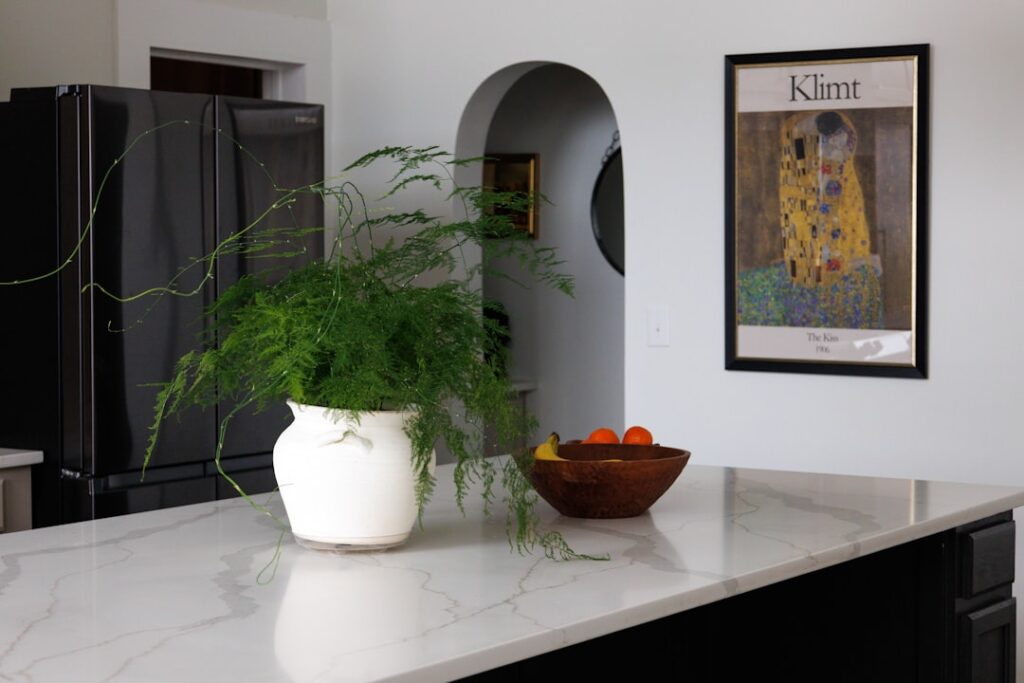
What Factors Should You Consider Before Framing a Fine Art Print?
Choosing how to frame a print starts with evaluating the type of artwork, its size, and where it will be displayed. A frame serves both decorative and protective purposes. In Ruston, LA, environmental conditions—like high summer humidity and rapid winter temperature changes—can affect prints. Many area households opt for frames with UV-protective glass and acid-free materials to guard against fading and moisture damage.
Key considerations:
- Match frame size to print dimensions with adequate space for a mat (if used).
- Use acid-free mats and backings to avoid discoloration.
- Choose UV-protective glass or acrylic to prevent sun damage, especially in brightly lit rooms.
By selecting materials suited for the artwork and the climate, prints can look fresh for decades.
How Do You Select the Right Frame Style for Your Space?
The style of the frame should complement both the artwork and your existing décor. In many Ruston homes—ranging from modern apartments to classic Southern houses—frames often serve to unify art with the surrounding space.
- Minimalist black or white frames suit contemporary prints and open-plan layouts.
- Ornate or stained-wood frames pair well with traditional or antique furnishings.
- Neutral-colored mats can add balance and keep visual focus on the artwork.
- Floating frames are popular for canvas prints or images with deckled (torn) edges.
Choose a frame that draws attention to the art without overwhelming it. Bringing a photo of the room or holding the print near its intended display wall can help inform your choice.
What Are the Steps to Properly Frame a Fine Art Print?
Framing ensures a print is protected while on the wall. Area residents commonly follow these steps:
1. Clean hands and workspace to avoid fingerprints or dust.
2. Place the print face-down on a clean, lint-free cloth.
3. If matting, make sure the mat opening is snug but not tight against the print. Attach lightly on the top edge with acid-free tape, allowing the print to expand and contract.
4. Insert the matted print or artwork into the frame, double-checking for debris between the glass and art.
5. Secure the backing and set the hanging hardware.
6. Wipe glass with a microfiber cloth before display.
Small mistakes—like letting dust get trapped or taping all edges of a print—can cause damage over time. Working slowly and carefully pays off in longevity and appearance.
Where Should You Hang Fine Art Prints for Both Visibility and Preservation?
Good placement makes a print a focal point while guarding it from environmental harm. In the city, strong sunlight shines into south- and west-facing rooms most of the year, which can fade pigments and warp paper. Moisture is also a concern in spaces close to kitchens or bathrooms.
Best practices:
- Hang prints away from direct sunlight and heat sources.
- Avoid placing prints on outside-facing walls where condensation can be common.
- Use picture-hanging hooks rated for the print’s weight and check for sturdy wall material (drywall anchors may be needed in many local homes).
- For high-traffic areas, consider plexiglass in place of traditional glass for added safety.

Spacing several inches between the top of a print and the top of any nearby furniture typically results in appealing, eye-level placement.
How Do Seasonal Changes or Home Habits in Ruston Affect Art Display Choices?
Climate and daily routines shape how artwork is best protected and enjoyed. Warm, humid conditions—especially in older homes and during the region’s rainy season—can make paper expand and contract. Residents who open windows for much of the year, or who run humidifiers, may need to check frames for slight warping and ensure prints don’t touch glass surfaces directly.
Tips specific to the local climate:
- Check frame tightness in late summer and before winter to prevent slippage.
- Use a small bumper or spacer if glass or acrylic might rest on the print surface.
- For prints displayed in kitchens or dens with high humidity, rotate artwork occasionally to reduce exposure risk.
Avoiding areas with frequent temperature swings, such as near exterior doors, further protects valuable prints.
What’s Commonly Overlooked When Displaying Fine Art Prints?
Residents often overlook the importance of lighting and ongoing care. Standard home lights usually are safe, but intense picture lights or spotlights can sometimes cause color changes over time. Dust can also accumulate quickly, especially during pollen-heavy spring months in the region.
Remember:
- Use soft, indirect lighting to display prints without risking heat damage.
- Lightly dust glass and frame edges at least once a month.
- Inspect prints yearly for signs of fading or mold—catching issues early helps preserve art for longer.
Taking time to learn about framing and thoughtful display not only protects art investments but also makes prints a cherished part of daily life in the home.