

 See My Latest Article on HelloNation
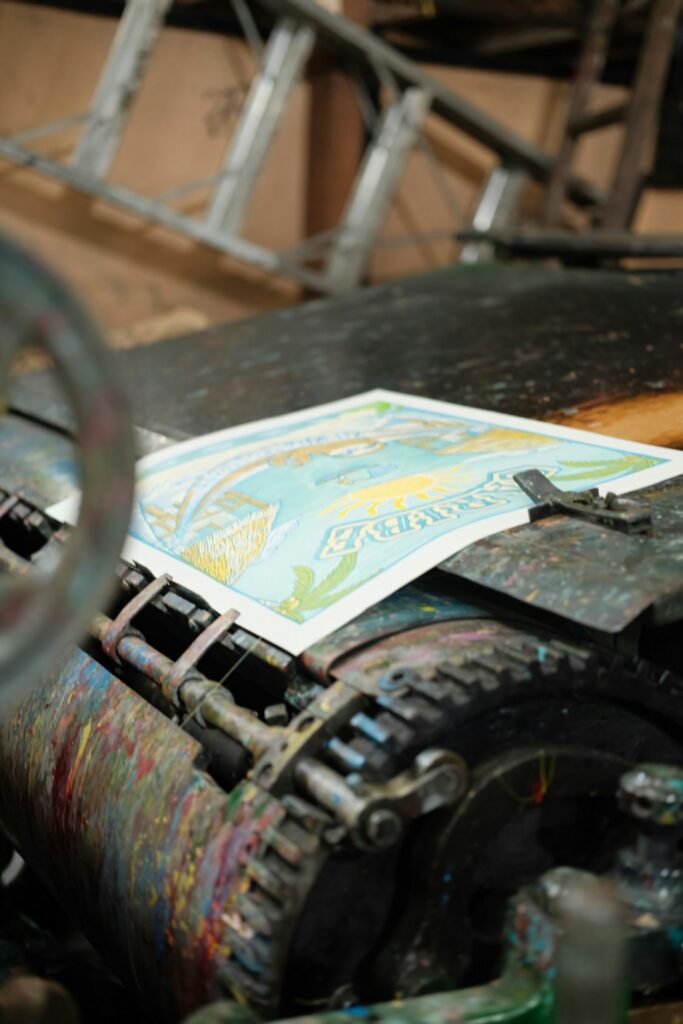
What Does “Fine Art Quality” Mean in Printmaking?
Fine art quality in prints refers to a level of craftsmanship, materials, and reproduction technique intended for durability, visual richness, and faithful representation of the original artwork. In Ruston, LA, many residents look for prints to decorate homes or public spaces, and may wonder what truly makes a print stand out as “fine art” rather than a regular poster or copy. The answer comes down to a combination of materials, process, and attention to detail.
Why Do Materials Matter for Fine Art Prints?
The paper, canvas, and inks used in fine art printing are selected for their ability to hold color, resist fading, and maintain texture over many years. Unlike mass-produced posters, which typically use thin paper and standard dye-based inks, fine art prints are often made with:
- Thick, 100% cotton or alpha cellulose papers
- Acid-free or pH-neutral surfaces
- Pigment-based inks designed to last
- Coatings or varnishes that add protection without affecting appearance
These choices help preserve color accuracy and physical condition, especially in climates with varying humidity and temperature like those in north Louisiana. Prints made with archival materials can stay vibrant for generations, even in homes without specialized climate control or lighting.
What Printing Techniques Qualify as Fine Art?
Not all high-resolution prints meet the standard. Fine art prints use specialized processes that emphasize subtle tonal shifts, detailed lines, and a close match to the artist’s intent. Common approaches include:
- Giclée printing: This digital inkjet process uses pigment inks and high-end printers to produce detailed, color-rich reproductions. The word “giclée” is now widely used to indicate fine art quality.
- Traditional printmaking: Lithography, etching, silkscreen, woodcut, and similar techniques involve the direct transfer of an image by hand or press, often resulting in limited edition works valued for their artistry and uniqueness.
Residents seeking prints for display in schools, galleries, or community buildings sometimes ask if digital prints can measure up to traditional methods. When executed with care and the right technology, both digital and hand-pulled methods can produce prints accepted as fine art by artists and collectors.
How Can You Tell If a Print Is Fine Art Quality?
There are several physical and visual indicators that can help a non-expert judge a print’s quality. Some questions local residents might ask themselves include:
- Is the paper or canvas thick, textured, or clearly marked as archival?
- Are the colors rich, accurate, and even across the print?
- Does the image have clear, sharp details with smooth transitions between tones?
- Is the print signed, numbered, or accompanied by a certificate of authenticity (for limited editions)?
In local settings, examining a print up close and in good light often reveals differences. Fine art prints rarely have obvious pixelation, streaks, or fading, and are usually free of curling or yellowing at the edges—a common problem with cheaper materials in humid environments.
What Are Common Misconceptions About Fine Art Prints?
Many people in the community assume that frame style, subject matter, or price determine quality. In reality, a print depicting any subject—whether it’s a bayou landscape or an abstract—can be fine art as long as it’s produced with care and suitable materials. Common myths include:

- All professionally framed prints are “fine art” (framing quality and printing quality are separate)
- Only prints made directly by the artist count (many artists work with trusted printers)
- Any print labeled “giclée” is automatically high quality (not all giclée prints use archival materials or expert calibration)
Checking details about the print’s materials, process, and provenance is more instructive than relying on visual impressions or marketing labels alone.
How Does Fine Art Printing Fit Into Local Lifestyles?
In Ruston, residents often display artwork in spaces exposed to sunlight, shifting seasons, and occasional humidity. Prints hanging in living rooms, school corridors, or local galleries are more likely to maintain their appearance if made with archival inks and papers. Those who inherit or collect prints, or wish to pass artwork down within families, benefit from the longevity offered by fine art methods.
Fine art quality also supports local artists who want their work preserved and appreciated as intended. Area households choosing such prints for gifts or display support a culture of artistry and thoughtful craftsmanship in the community.
What Are Practical Steps for Choosing Fine Art Prints?
To ensure a print meets fine art standards, residents can:
- Ask about the paper or canvas type and whether it’s archival
- Request information about the inks or printing method
- Inspect for clarity, fullness of color, and surface texture
- Look for authentication details if purchasing a limited edition
Directly examining a print and asking clear questions about its production can help locals make well-informed decisions, preserving beauty and value in the home or public space for years to come.