

 See My Latest Article on HelloNation
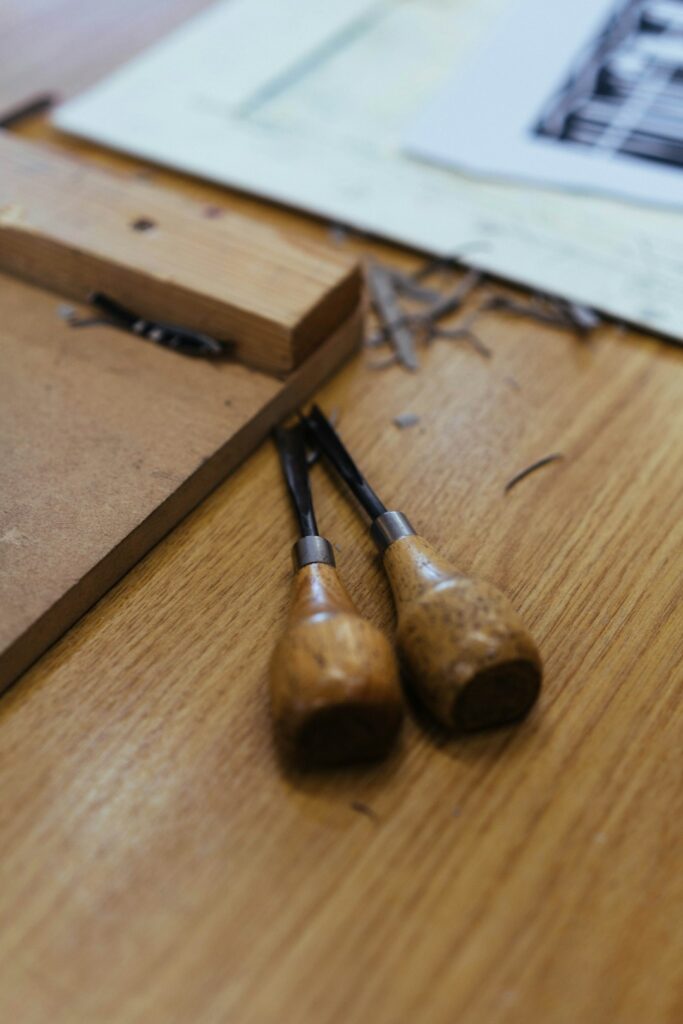
How Did Fine Art Printing Begin?
Fine art printing traces its roots back thousands of years, developing alongside major cultural advancements. The first intentional prints appeared in ancient China, where artisans used woodblocks to transfer ink onto paper and fabric as early as the Tang Dynasty (618–907 AD). These block prints allowed for the replication of text and images, making art more accessible.
By the 15th century, the technique had made its way to Europe, especially through the invention of the printing press, which revolutionized not only publishing but also the capacity to replicate artworks. Residents in Ruston, LA who are curious about the origins of printmaking can reflect on these worldwide shifts as the foundation for the art forms still practiced today.
What Are the Major Traditional Fine Art Printing Techniques?
Historically, artists have relied on several core methods to create original prints:
- Woodcut: The earliest known form, involving carving an image into a wooden block and using it to stamp designs. Its bold, graphic quality makes it recognizable.
- Etching: Artists coat a metal plate with wax, draw through the wax, then use acid to etch the exposed lines. This process yields lines with varying depth and texture.
- Engraving: Instead of acid, artists use sharp tools to cut directly into a metal plate, allowing for very fine, precise lines.
- Lithography: Invented in the late 18th century, this method prints from a flat stone or metal plate using a grease-based drawing and a chemical process to keep ink from sticking to non-image areas.
- Screenprinting (Silkscreen): Artists push ink through a screen, using stencils to block out parts of the design. This versatile method is known for vibrant color.
Even today, local artists and printmakers occasionally explore these type of methods for workshops or creative projects, sometimes finding that accessible materials like linoleum or wood can be adapted for home printmaking setups.
How Has Technology Changed Fine Art Printing?
The development of digital technology marked a significant turning point in fine art printing. Modern methods use computers and high-resolution printers to reproduce artwork with accuracy that traditional methods can’t always match.
Key advancements include:
- Giclée Printing: High-quality inkjet printing that uses archival pigment inks on fine art paper or canvas. This technique creates detailed, color-rich prints and is now widely used for art editions.
- Digital Image Editing: Artists can now enhance, combine, or alter their images with software before printing. This allows greater creative freedom and precise control over the visual result.
For residents in areas like Ruston, digital printing has removed many barriers to creating and sharing art. What once required a specialized printmaking studio can often be accomplished with a quality home printer and some basic supplies.
How Do Artists Choose Which Printing Technique to Use?
Artists select a method based on desired visual effects, project goals, and available resources. For example:
- A woodcut offers a bold, textured look that suits expressive design or illustration.
- Lithography allows for hand-drawn, painterly marks.
- Giclée is favored for its ability to replicate detailed original artworks for collectors or galleries.
- Screenprinting is great for poster art and bold graphics.
Local artists often experiment with more than one method as part of classes or collaborative projects, especially when exploring craft-style art forms or seeking to produce multiple editions inexpensively.
What Are Common Misconceptions About Fine Art Prints?

Some believe that printed art is always mass-produced or lacks authenticity. In fact, traditional techniques such as etching, engraving, or woodcut often yield limited editions that carry the artist’s direct input at every stage. Each print in a run can have unique qualities.
There is also confusion over terms like "reproduction" versus "original print":
- An original print involves the artist directly in the creation and printing process, often resulting in a signed, numbered edition.
- A reproduction is a copy made from an existing artwork (like a painting) using photographic and printing techniques, such as giclée.
Understanding these distinctions helps collectors and community members appreciate the value and intention behind different fine art prints.
How Can Local Residents Explore or Try Printmaking?
The climate in Ruston, with its moderate winters and warm springs, lends itself to indoor art activities during inclement weather or high-heat months. Many people start with accessible forms such as linocut or simple relief printing at home. Common materials include:
- Linoleum blocks or wood scraps for carving
- Water-based inks (safer and easier to clean up)
- Brayers (rollers) to apply ink evenly
- Heavy paper designed for printmaking
Group workshops, classes, or community art events may occasionally introduce residents to other techniques. Area households sometimes share printmaking as a family craft activity, especially when school breaks or summer days encourage creative projects indoors.
Which Printing Techniques Remain Popular Among Artists and Collectors?
Original printmaking remains valued by collectors for its tactile qualities and handmade process. Lithographs, engravings, and limited edition screenprints often appear in both personal collections and museum settings. Meanwhile, digital methods like giclée are increasingly accepted in both professional galleries and local art fairs due to their flexibility and quality.
Choosing between traditional and digital methods often comes down to personal preference, cost, and the need for multiple copies. Both are valid forms of creative expression, and each introduces different textures, colors, and character to the resulting art.