

 See My Latest Article on HelloNation
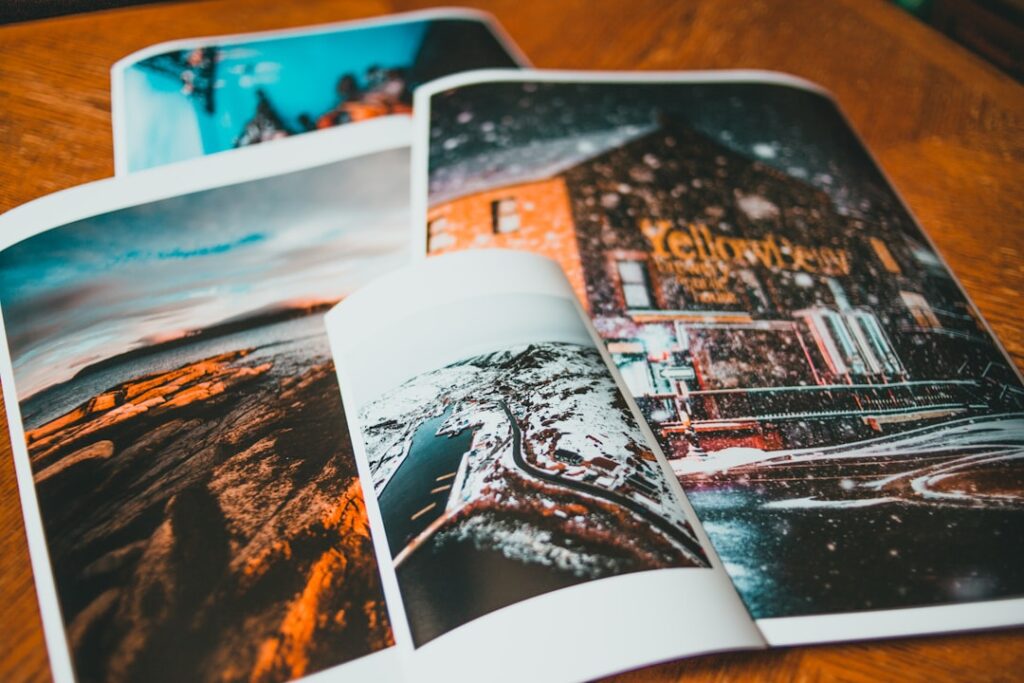
Should You Choose Glossy or Matte for Your Artwork?
For residents in Ruston, LA interested in fine art printing, the decision between glossy and matte finishes can shape how artwork is viewed and preserved. The right finish often depends on the art's style, display setting, and the look or feel you wish to achieve in your home or public space.
What Is a Glossy Finish and What Are Its Advantages?
A glossy finish is known for its light-reflecting, shiny surface. Glossy prints tend to:
- Enhance color vibrancy and saturation, making artworks feel lively and bold
- Accentuate sharp details, which helps with photographs or highly detailed illustrations
- Feel slick and modern, fitting contemporary décor or gallery-style spaces
Residents with well-lit rooms, such as sunrooms or homes with large windows, sometimes notice that glossy finishes reflect natural light. This gloss can make the art appear more vivid but also introduces glare, which may hinder viewing from certain angles.
When Does a Matte Finish Make Sense?
A matte finish features a flat, non-reflective surface. Matte prints:
- Suppress reflections, making art easier to view under direct lighting—an advantage in many Ruston homes where sunlight streams through windows for much of the year
- Provide a softer, subtler effect, which suits delicate paintings or pieces where mood and texture are more important than vibrancy
- Resist fingerprints, smudges, and dust, allowing easier handling—useful for classrooms, offices, or households with young children
Matte finishes are popular among local artists displaying in community spaces, as they are less distracting under bright, artificial lights common in civic buildings or libraries.
How Do Climate and Humidity Influence Your Choice?
Ruston's humid subtropical climate influences artwork durability and appearance. Glossy finishes often resist moisture better and are easier to wipe clean, while matte finishes are less prone to visible dust and fingerprints but might absorb humidity more readily.
- Glossy prints may warp less in high humidity if properly mounted
- Matte finishes can sometimes retain slight marks from incidental contact, though premium papers typically minimize this
If art will be hung near exterior doors or in non-air-conditioned rooms, consider framing with glass for added protection, regardless of finish.
Will the Room’s Lighting Affect How Your Art Looks?
Lighting is a common concern for residents since many local homes receive varying levels of sun across seasons. Glossy finishes interact with light dynamically but create glare when viewed from sharp angles, especially in rooms with strong morning or afternoon sun. This can be distracting in spaces like kitchens, living rooms, or foyers with skylights.
Matte finishes remain legible from every vantage point and blend smoothly with softer, diffused light, such as from lamps or indirect sunlight—often found in bedrooms, studies, or hallways.
Does the Subject Matter Influence Which Finish Is Best?
The visual qualities of your artwork should guide your choice:

- Glossy finishes can boost saturation and are favored for digital art, high-resolution photographs, and works with lots of dark, rich colors
- Matte finishes bring out subtlety and texture, ideal for paintings, charcoal sketches, landscapes, or portraits with muted hues
Abstract works or pieces with texture may appear flatter under gloss, while matte allows natural surface qualities to show.
Common Misconceptions About Art Print Finishes
There is a widespread belief that glossy is always “better” or more “expensive-looking.” In reality, each finish serves a different purpose:
- Glossy prints are not necessarily higher quality; they may simply emphasize different visual traits
- Matte does not mean dull; it often preserves detail and depth in a softer way
- Protection and longevity depend more on paper choice and framing than finish alone
What Local Factors Should You Consider?
Here in Ruston, households often display art both indoors and in covered outdoor spaces. Muddy shoes, humidity, local pollen, and regional dust can affect both types of finishes. For artwork displayed in entryways or high-traffic areas, fingerprint resistance and ease of cleaning might push some toward glossy. In quieter, dimmer rooms, matte may let the imagery shine without visual interference.
Many local families opt to sample both finishes—printing a small section of their artwork on glossy and matte—to see which appeals in their own space. This side-by-side approach reveals differences in color, glare, and texture under real household lighting.
Summary Comparison Table
| Feature | Glossy | Matte |
|———————|——————————-|——————————–|
| Reflection | High (can create glare) | Low (minimizes glare) |
| Color Vibrancy | Very vivid | Rich but muted |
| Fingerprints/Dust | Shows smudges, easy to wipe | Hides smudges, harder to clean |
| Handling | More delicate | More durable |
| Best For | Photos, modern art, bright rooms | Paintings, drawings, most display conditions |
For the community in Ruston, the ideal choice often comes down to personal taste, room design, and how actively a space is used.